
Pool Fencing
Code-compliant pool barriers that keep your family safe without compromising your backyard's beauty.
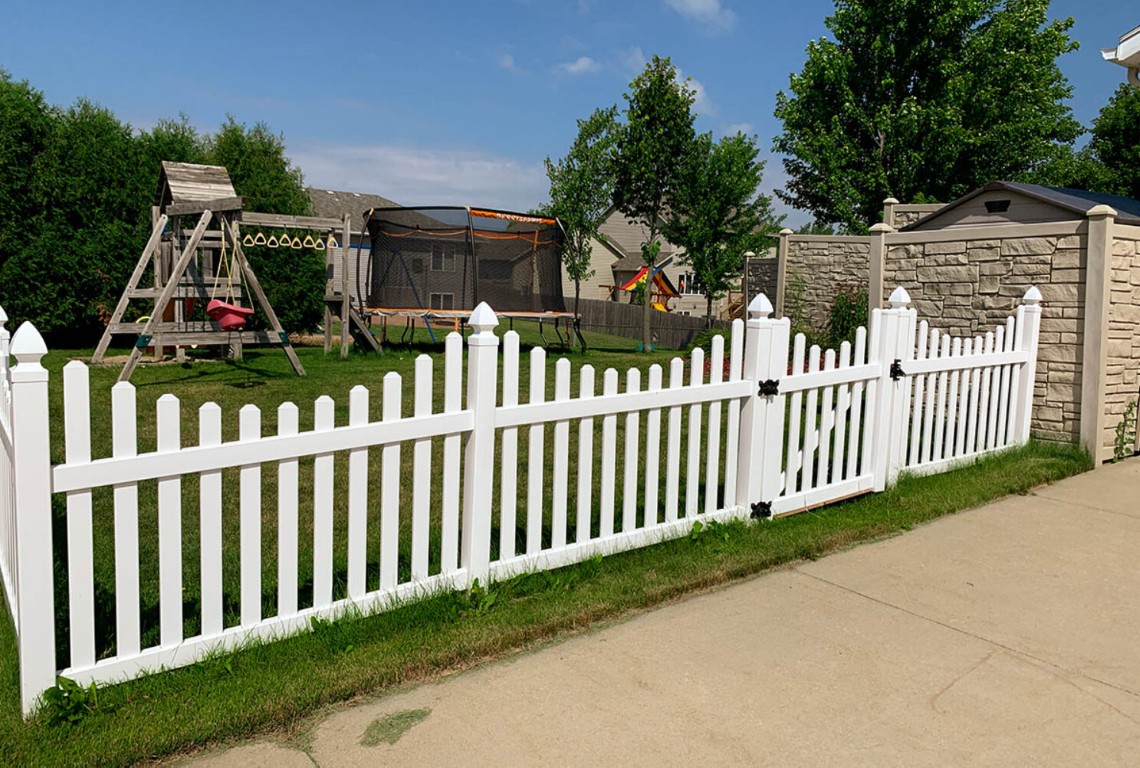
If you have a swimming pool, you need proper fencing. It's not optional. California law requires barriers around residential pools to prevent accidental drownings, and for good reason. At HHS Hacienda Heights Fencing, we specialize in installing pool fences that meet all safety codes while enhancing your backyard's appearance. We understand the regulations, and we know how to build a fence that keeps your family safe and passes inspections.
Pool fencing serves a critical purpose beyond just following the law. It creates a physical barrier that prevents young children and pets from accessing the pool area unsupervised. Every year, tragic accidents happen that proper pool fencing could have prevented. We take pool safety seriously, and we'll make sure your fence provides the protection your family needs.
California Pool Fencing Requirements
California has specific requirements for pool barriers, and these rules exist to save lives. Here's what you need to know:
- Height requirements: Pool fences must be at least 5 feet tall measured from the ground. Many homeowners choose 5 or 6 foot heights for optimal safety and aesthetics.
- Spacing specifications: Vertical pickets or slats cannot have gaps wider than 4 inches. This prevents small children from squeezing through. Horizontal rails must not create a climbable ladder effect.
- Gate requirements: Gates must be self-closing and self-latching. The latch must be at least 54 inches above the ground, out of reach of young children. Gates must swing away from the pool area and latch securely every time.
- Bottom clearance: The gap between the bottom of the fence and ground cannot exceed 4 inches. This prevents children or pets from crawling underneath.
- House wall exception: If one side of your pool uses your house wall as a barrier, all doors from the house to the pool area need alarms that sound when opened.
We stay current on all local building codes and HOA requirements. When we install your pool fence, you can be confident it meets every regulation. We've worked with inspectors throughout Hacienda Heights for years, and our fences always pass inspection the first time.
Pool Fence Material Options
You have several material choices for pool fencing, each with advantages for this specific application:
Aluminum fencing: This is our most popular choice for pool barriers. Aluminum fencing never rusts even with constant exposure to pool water and chemicals. It looks elegant, requires zero maintenance, and lasts for decades. The open design maintains sight lines so you can supervise swimmers from anywhere in your yard. Available in various styles and colors to match your home.
Vinyl fencing: If you prefer a solid privacy fence around your pool, vinyl is an excellent choice. It won't warp, rot, or corrode from pool chemicals and splashing water. Vinyl is also soft to the touch, which is nice around pools where people are walking barefoot. We recommend vinyl pool fencing for customers who want complete privacy and a modern, clean appearance.
Mesh pool fencing: These removable mesh fences are popular for temporary solutions or when you want a barrier that can be taken down when not needed. The mesh is strong enough to meet safety requirements but can be removed and reinstalled as needed.
Glass fencing: For a high-end, modern look, frameless glass panels create an invisible barrier that doesn't obstruct views. Glass pool fencing is more expensive but creates a stunning, resort-like appearance.
Essential Pool Fence Safety Features
Beyond meeting code minimums, we incorporate additional safety features that provide extra protection. Self-closing hinges on gates are spring-loaded to automatically swing shut every time the gate opens. This ensures the barrier is never accidentally left open. We use commercial-grade hinges that maintain their tension for years.
Magna-latch systems offer superior security compared to basic latches. These magnetic latches click closed reliably every time and can be set to various heights to meet code requirements. They're also adjustable as the gate settles over time.
For gates that see heavy use, we can install key locks or combination locks as secondary security. This prevents older children from overriding the latch. Some families also add pool alarms that sound if someone enters the pool area, providing an additional layer of safety.
Our Pool Fence Installation Process
Installing a pool fence requires precision and knowledge of safety codes. Our professional installation process starts with a site assessment where we measure your pool area, discuss your material preferences, and review all code requirements specific to your property.
We create a detailed plan that shows exactly where the fence will go, where gates will be placed for convenient access, and how the fence integrates with existing structures. We handle any required permits and coordinate inspections to ensure everything is done correctly.
During installation, we set posts in concrete for stability, install fencing materials to exact specifications, and thoroughly test all gates to ensure they close and latch properly every time. We don't consider the job complete until we've verified that your fence meets all safety requirements and you're completely satisfied with the installation.